Wondering whether a property in Saugatuck or Douglas will actually work as a short-term rental, or just look good on paper? That is a smart question to ask before you make an offer. In this market, rental potential depends on much more than charm or proximity to the water. You need to weigh location, parking, layout, licensing, inspections, and local rules in the right order. If you want to assess a property with more confidence, this guide will help you focus on what matters most. Let’s dive in.
Why Saugatuck and Douglas Draw Guests
Saugatuck and Douglas benefit from a visitor experience built around convenience, scenery, and short-distance travel. Official local tourism materials describe both downtowns as walkable, and they highlight options like the Chain Ferry and Interurban bus to help visitors move between downtown Saugatuck, Oval Beach, and other nearby spots.
That matters if you are buying with short-term rental use in mind. In a market where many guests may park once and explore on foot, by bike, or by local transit, location value is tied closely to ease of access. A home that reduces driving friction can be more appealing than one that is simply nearby on a map.
Oval Beach is also a major seasonal draw, with Memorial Day through Labor Day patterns shaping how visitors use the area. That suggests many rental opportunities here may be stronger during peak seasonal periods than evenly paced throughout the year. If you are underwriting a purchase, it helps to think in terms of seasonal demand rather than assuming flat performance month to month.
Why Location Matters More Here
In Saugatuck and Douglas, being "close" is not always the same as being convenient. Properties near downtown Saugatuck, downtown Douglas, Oval Beach, the Kalamazoo River, and pedestrian or bike routes may have an advantage because the guest experience is built around short, easy trips.
A property can still underperform if guests struggle with access. For example, a home may appear well located but have awkward parking, poor walkability, or a less practical route to the beach or downtown. In this area, those details can shape guest experience as much as square footage or finishes.
Beach access also has a parking component. Oval Beach uses seasonal parking, and local transportation alternatives like the Chain Ferry and Interurban bus can help, but your property still needs to function well for arrivals, unloading, and daily guest movement.
What to Evaluate in the Property Itself
A strong short-term rental candidate in this market usually checks three practical boxes: layout, parking, and inspection readiness. Those factors affect both guest appeal and local compliance.
In Saugatuck, the short-term rental application requires a floorplan, bedroom count, proposed occupancy, a drawing showing where parking will be provided, a completed fire inspection checklist, and proof that the dwelling is insured as a rental. That means the physical setup is part of the approval process from the start.
Douglas also asks owners to register the property, obtain a rental occupancy permit, and complete Fire Department inspection before a rental occupancy certificate can be issued. Its application materials ask about off-street parking, bedroom count, and guest sleeping capacity.
If you are reviewing a property, look beyond décor and curb appeal. Ask whether the floor plan supports the guest count you have in mind, whether parking is adequate and convenient, and whether the home appears easy to inspect and operate safely.
Parking Is a Big Deal
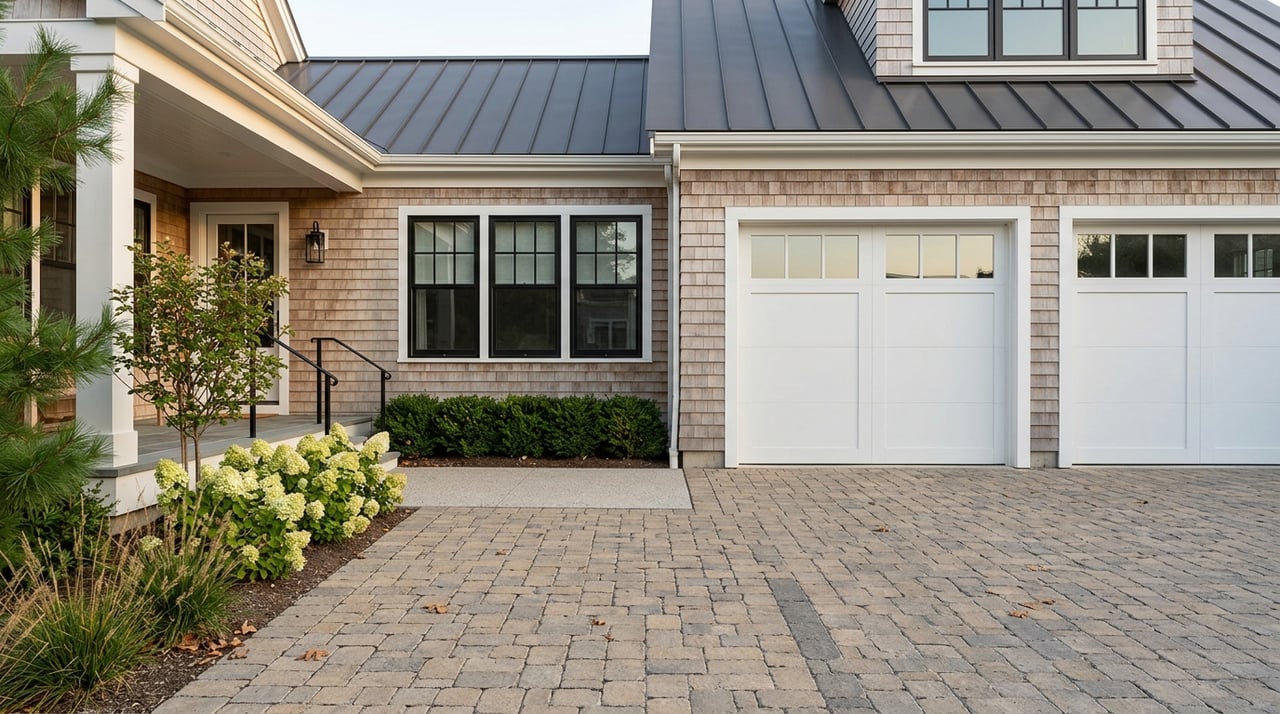
Parking is one of the most important details to get right. Saugatuck requires applicants to show where parking will be provided, and Douglas asks how many off-street spaces are available.
In a resort market with busy summer patterns and shared public parking pressures, off-street parking is not just a nice extra. It is part of the guest experience and part of the approval picture.
More Bedrooms Do Not Always Mean More Guests
If you are calculating income potential, do not assume every extra bedroom scales occupancy the way you want. In Saugatuck, maximum occupancy is set at two guests per bedroom plus two additional guests per finished floor, with a cap of 12 occupants. The final occupancy is determined after inspection by the Saugatuck Township Fire District.
That means usable guest count depends on more than the listing description. Code-compliant sleeping space, safety review, and actual floor plan function all matter.
Compliance Features That Also Help Guests
Some of the best guest-friendly features are the same ones that support compliance. In Saugatuck, short-term rentals must include at least one garbage can and one recycling bin, carry rental property insurance, and post a Good Neighbor Guide.
Saugatuck also requires the license holder or local agent to respond to violations within two hours. That makes day-to-day operations an active responsibility, not a passive investment.
Douglas places strong emphasis on fire and life safety. Its checklist highlights smoke alarms, carbon monoxide alarms, fire extinguishers, posted fire safety plans, clear egress, and visible address signage.
In practical terms, a better-run rental is often a better-designed rental. Clear exits, visible addresses, and organized safety features help guests feel comfortable and help the property pass inspection more smoothly.
Saugatuck Rules Buyers Need to Know
Saugatuck defines a short-term rental as a dwelling rented for less than 31 consecutive days. A license is required for each dwelling unit intended for short-term rental use, and the city states that licenses are annual.
The city’s current fee schedule lists the short-term rental license application and renewal fee at $540 annually, along with a $175 re-inspection fee. Advertising must include the license number, and renewal rules apply to existing licenses.
One of the biggest underwriting issues in Saugatuck is zoning district caps. Several R-1 districts have limits on the number of licenses, including Community Residential R-1, Peninsula West R-1, Maple Street R-1, Peninsula South R-1, and portions of Peninsula North R-1. The city states it is still accepting applications in other zoning districts that permit short-term rentals.
This is one reason due diligence needs to happen early. Even if a property looks ideal for guests, the local licensing environment may still affect whether you can use it the way you intend.
Local Agent Rules in Saugatuck
If you will not serve as the local agent yourself, Saugatuck requires one. That local agent must live or maintain a physical place of business within 25 miles of the property and must be able to respond 24 hours a day, 7 days a week, 365 days a year.
The ordinance also requires the license holder or local agent to remedy violations within two hours of notice. For out-of-town owners, that makes management planning essential from the beginning.
ADUs and Transfer Limits in Saugatuck
Saugatuck’s rules also include an important nuance around accessory dwelling units, or ADUs. An ADU may be rented short-term in certain compliant ways, but renting it separately while the owner occupies the main home requires Planning Commission special land use approval and a separate short-term rental license.
It is also important to know that Saugatuck short-term rental licenses are generally non-transferable and become void upon an attempted transfer of ownership, with limited exceptions that require prior city approval. In plain terms, buying a property does not automatically mean you inherit the seller’s rental status.
Douglas Rules Buyers Need to Know
Douglas defines a short-term rental unit as a dwelling rented for less than 31 consecutive days, or advertised for any period under 31 days. Before any short-term rental use begins, the owner must register the unit and obtain a rental occupancy permit.
Douglas also requires Fire Department inspection, and city materials state that all properties intended for rental must be inspected. The packet says inspections occur at least every 36 months before a rental occupancy certificate can be issued.
Douglas prohibits renting individual rooms within the short-term rental unit. It also requires parking to comply with city provisions.
Like Saugatuck, Douglas treats ownership change as a reset point. The city’s packet states that a sale or transfer voids the existing rental occupancy certificate, which means the new owner must apply again.
Douglas Fee Check
Douglas public materials show a fee discrepancy that buyers should verify directly before underwriting. The 2025 packet lists a $350 registration fee and $125 reinspection fee, while the FY2025/26 fee schedule lists $375 for registration/initial inspection and $175 for reinspection.
When you are evaluating projected returns, small line items can add up. It is wise to confirm the current fee structure before you rely on your numbers.
Taxes and Operating Costs
Michigan’s Department of Treasury states that lodging furnished by hotelkeepers, motel operators, and similar commercial operators is subject to 6% use tax, and no tax is due if the same room or lodging is rented continuously for more than one month.
Saugatuck’s ordinance reinforces that practical baseline by requiring the renter to pay applicable sales tax and or Michigan use tax for stays of 31 nights or less. For you as a buyer, that means tax collection and remittance should be part of your operating plan from day one.
It is also smart to model licensing fees, possible reinspection fees, rental insurance, and management or local agent costs before you assume a property will cash flow the way you hope. In this market, operational details matter.
HOA and Condo Review Comes Early
If the property is part of a condo, subdivision, or homeowners association, review those documents before you get too far. Michigan’s Condominium Buyer’s Handbook warns that bylaws may contain restrictions on renting and other uses, and that associations may amend those bylaws.
That means municipal approval is only part of the picture. A property can comply with city rules and still be unusable for short-term rental purposes if the association documents or recorded restrictions prohibit transient rentals.
For buyers, this is one of the easiest places to make a costly mistake. Always confirm private restrictions before you move forward.
A Smart Order for Due Diligence
If you are close to making an offer, a simple review sequence can save time and reduce surprises. In this market, the most useful order is:
- Confirm the property is in the correct municipality.
- Verify the zoning district and whether short-term rental use is allowed or capped.
- Review HOA, condo, or deed restrictions.
- Test whether the floor plan, parking, and egress support your intended guest count.
- Model taxes, fees, insurance, and management costs before assuming income.
This approach fits the current local rules and the realities of operating in a resort-driven market. It also helps you avoid overpaying for a property that may not perform the way you expect.
What Strong STR Candidates Often Share
The strongest short-term rental candidates in Saugatuck and Douglas often have a mix of true walkability or easy beach access, sufficient off-street parking, code-friendly layout, and a realistic management plan.
On the other hand, some properties look compelling in listing photos or on a map but become weaker investments once you factor in parking limits, inspection demands, zoning caps, or association restrictions. In this market, strong underwriting is usually less about hype and more about careful local review.
If you are considering a second home or investment property in Saugatuck or Douglas, the right guidance can help you sort out the difference between surface appeal and actual rental potential. For strategic advice on resort-market properties in Southwest Michigan, connect with Jackson Matson.
FAQs
What makes a property more appealing for short-term rental guests in Saugatuck or Douglas?
- Properties with convenient access to downtown, Oval Beach, bike or pedestrian routes, and practical off-street parking may be more attractive because the local visitor experience is built around short, easy trips.
What short-term rental rules apply to Saugatuck properties?
- Saugatuck requires an annual short-term rental license for each dwelling unit rented for less than 31 consecutive days, and buyers should also review zoning caps, occupancy limits, parking requirements, inspection standards, and local agent rules.
What short-term rental rules apply to Douglas properties?
- Douglas requires owner registration, a rental occupancy permit, and Fire Department inspection before short-term rental use can begin, and it also prohibits renting individual rooms within the unit.
Does a seller’s short-term rental approval transfer to a new owner in Saugatuck or Douglas?
- No. In both cities, a sale or transfer affects existing approval status, and buyers should expect to apply again rather than assume the current owner’s rental rights will carry over.
How important is parking for a Saugatuck or Douglas short-term rental?
- Parking is very important because local applications and permits ask owners to document available parking, and guest convenience in this market often depends on easy arrivals and reduced driving friction.
Do condo or HOA rules matter if the city allows short-term rentals?
- Yes. A property may comply with city rules and still be restricted by condo bylaws, subdivision covenants, or association rules, so those documents should be reviewed before you make an offer.
What taxes should buyers consider for a Michigan short-term rental?
- Michigan states that lodging rented continuously for 31 nights or less is generally subject to 6% use tax, while lodging rented for more than one month is not subject to that lodging use tax.
Can an ADU be used as a short-term rental in Saugatuck?
- Sometimes. Saugatuck allows certain compliant ADU rental arrangements, but renting an ADU separately while the owner occupies the main home requires Planning Commission special land use approval and a separate short-term rental license.