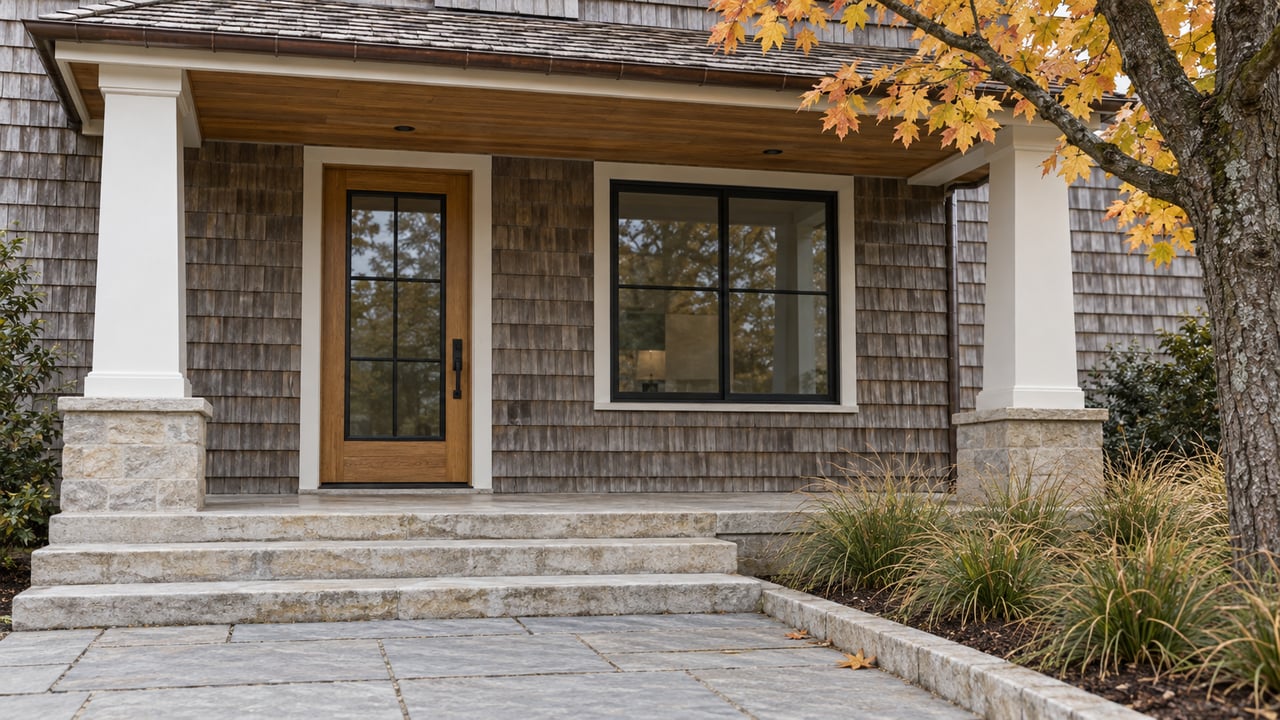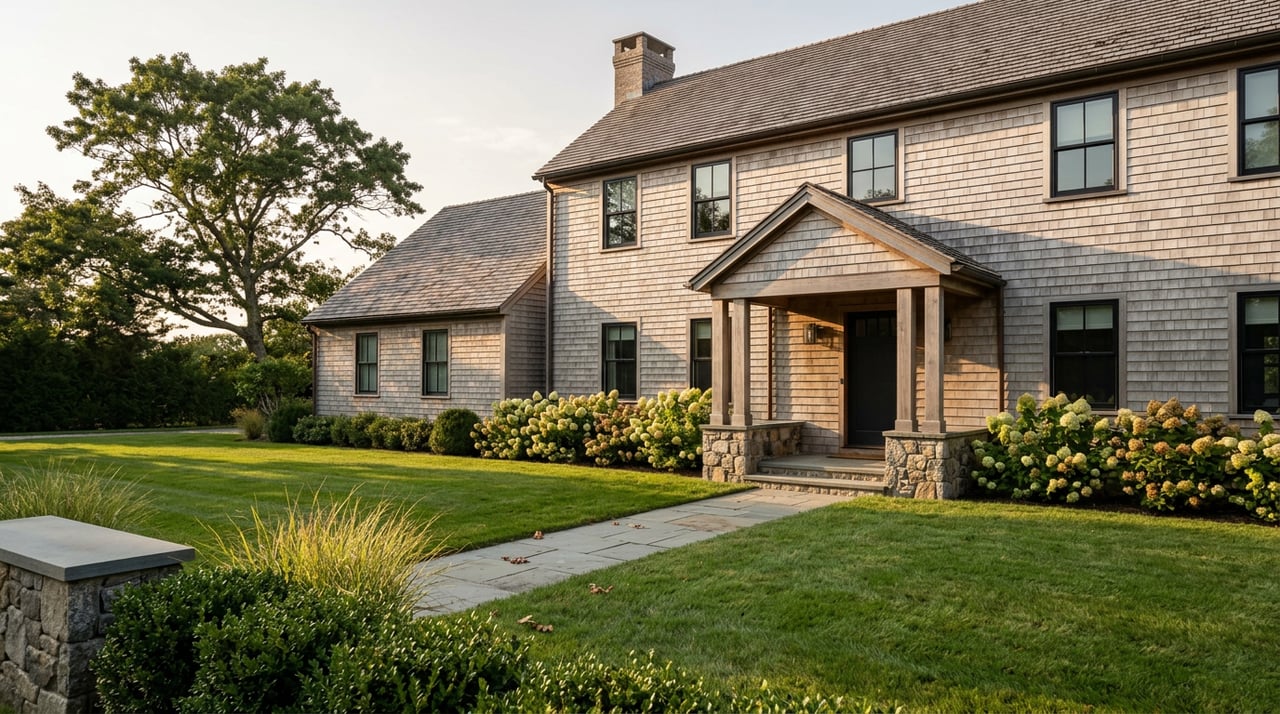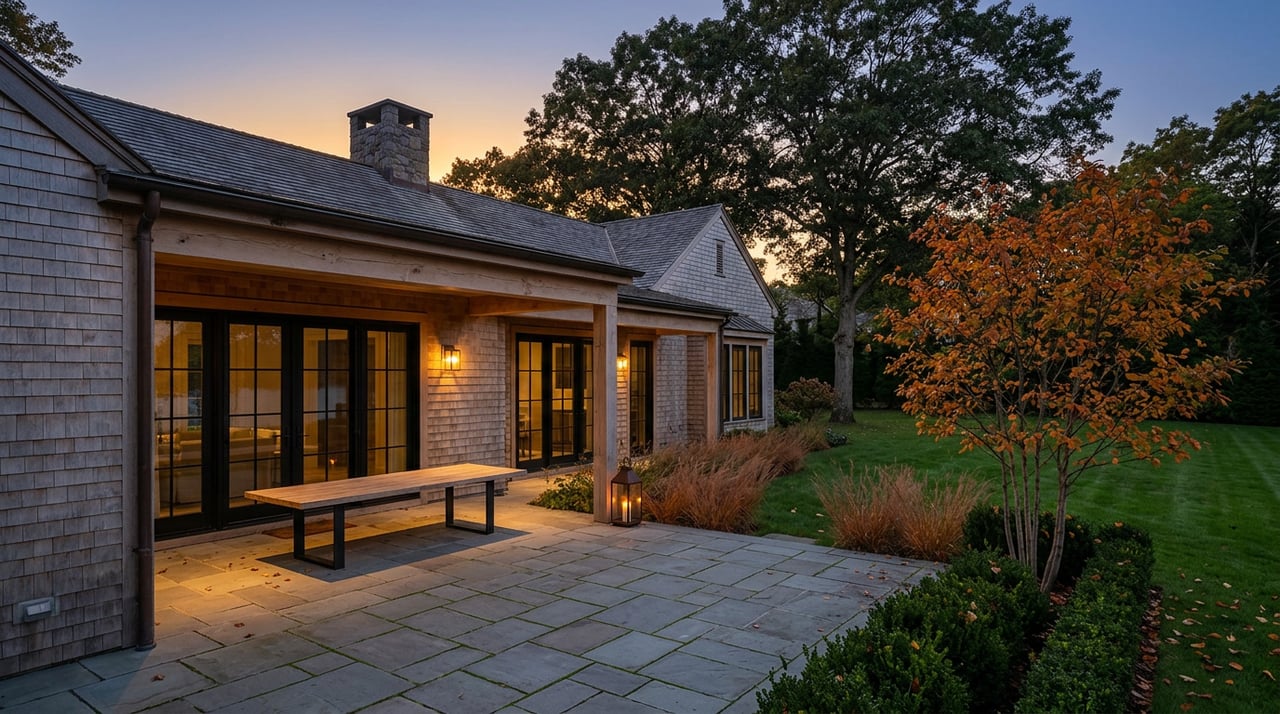
Outside investors don't usually bet this fast on a small Michigan blueberry farm. One season of business, and Under Canvas decided the property at 154 68th Street was worth twice what it started as. The company announced the expansion on February 3, 2026, adding 26 new tents to a site that opened with 23 accommodations, bringing the total to 45 tents and 9 cottages. For a hospitality brand, that kind of scale-up after a single debut year is a statement of confidence, and the statement was made about South Haven specifically.
The property is The Fields of Michigan, a glamping retreat built on a working blueberry farm just outside town. If you've heard about it, you've probably heard the travel-site version: pretty tents, a supper club, blueberry picking. What gets left out of that version is what the expansion and the fine print around it actually tell a South Haven resident about the town's own pull right now, and the specific, useful detail that you don't need to book a night in a tent to eat there.
What actually changed
The 2026 season runs April 30 through November 1, which means as of mid-September there are just under seven weeks left before the property closes for the year. The new tents came with a redesigned communal hub called The Willow, a screened-in porch and dining space that now hosts morning coffee, afternoon games, and a sunset wine hour with garden seating. Every accommodation, new and existing, got the same refresh: king beds, interior air conditioning, electric fireplaces, and en suite bathrooms with rainfall showers.
None of that is unusual for a glamping resort. What's unusual is the speed. Under Canvas didn't spend two or three seasons watching occupancy numbers before deciding to grow. It moved after one summer, which suggests the first year didn't just meet expectations, it outran them enough to justify a mid-winter capital decision months before the 2026 season even opened.
The company picked South Haven on purpose
Under Canvas isn't a small operator experimenting locally. The company runs 14 camp locations across the country, including sites at Yellowstone, Zion, Moab, the Grand Canyon, and Acadia. In 2025, the company created a new sub-brand within that portfolio called the Outdoor Collection, built around a different kind of property than its national-park camps: places defined by regional character rather than federal land. It launched that entire new concept at exactly two sites. One is Bar N Ranch outside West Yellowstone, Montana. The other is The Fields of Michigan, on a blueberry farm outside South Haven.
That's the detail worth sitting with. A company that already has a presence at some of the most recognized outdoor destinations in the country looked at South Haven and put it in the same launch tier as gateway-to-Yellowstone country. The farm's own blueberry acreage isn't incidental to that choice. South Haven sits inside a stretch of southwest Michigan with roughly 300 blueberry farmers and about 18,500 acres of blueberry farmland within a 50-mile radius, by some measures the largest concentration of blueberry growers anywhere. The Fields of Michigan built its identity around that fact rather than around it. Guests get a basket and pick their own berries straight from the rows the resort sits on, the same crop that fills the farm stands on Phoenix Road and fuels the National Blueberry Festival every August.
The trail is the connective tissue
The property isn't a walled-off compound. Guests borrow a bike from the resort and ride a scenic route along the Kal-Haven Trail into downtown South Haven, the same trail residents already use to get to the lighthouse, the beaches, or the movie house downtown. That's a meaningful design choice. A retreat that keeps its guests inside its own gates doesn't add anything to daily life in town. One that hands its guests a bike and points them at the Kal-Haven Trail is actively routing more people onto the paths locals already ride.
Double the tents, and you're not just doubling overnight stays on a working farm outside city limits. You're doubling the number of visitors likely pedaling that same trail into town on a Tuesday afternoon, stopping at the same downtown shops and cafes that have always drawn both residents and out-of-towners.
You don't have to sleep there to eat there
Here's the part that's easy to miss if you only read the press coverage of the expansion: the Supper Club isn't limited to overnight guests. It runs Thursday through Sunday at 6:30 p.m., a four-course, prix-fixe dinner served at a long communal table looking out over the blueberry fields, built around lake-caught fish and whatever the farm and neighboring growers have that week. It costs $95 per person plus tax, with an optional beverage pairing on top of that, and reservations go through OpenTable rather than through the resort's own booking system.
That distinction matters locally. A South Haven resident doesn't need a room to sit at that table. A handful of practical notes worth knowing before you try:
- Supper Club seatings run Thursday through Sunday at 6:30 p.m., and a reservation is required to hold a spot.
- A separate, more casual Cafe menu runs Sunday through Wednesday from 5 to 9 p.m., and no reservation is needed for that one.
- The menu is shared: everyone at the table gets the same four courses, including kids, so it's built for a group rather than an à la carte night out.
- Dietary accommodations need advance notice, at least a week for plant-based requests, sent directly to the property by email.
For a town whose identity already runs through its farm stands and its festival calendar, a farm-to-table dinner that's open to residents on a walk-in reservation basis, not locked behind an overnight rate, is a genuinely useful thing to know about, whether you go once a season or make it a standing plan.
What the growth curve says about the town
None of this changes overnight for someone who already calls South Haven home. But the shape of it is worth noticing. A national hospitality company chose South Haven as one of two launch markets for an entirely new brand concept, watched one season play out, and decided the answer was to more than double capacity before opening a second one. That's not a company hedging. That's a company that looked at demand for South Haven itself, not just for glamping in general, and decided to lean into it immediately.
If the pattern holds and next winter brings another expansion announcement, the read stays the same: the Kal-Haven Trail gets more traffic, downtown gets more foot traffic from people who biked in for lunch after a morning of blueberry picking, and the Supper Club's Thursday-through-Sunday seats get harder to book. Right now, with just under seven weeks left in the 2026 season, there's still room to see what all of that looks like in person, table service included, no tent required.
South Haven's pull for outside investment isn't a new story. What's new is how fast one company moved once it had a season of local proof, and what that pace says about how the rest of the market is likely reading this stretch of the Lake Michigan shoreline right now.
If you're weighing what that kind of momentum means for property here, from Harbor Country up through South Haven, Jackson Matson has spent more than two decades watching these towns change season to season. Let's Connect.